Recent News
The Foundry Industry Is Modernizing. Is Its Workforce Keeping Pace?
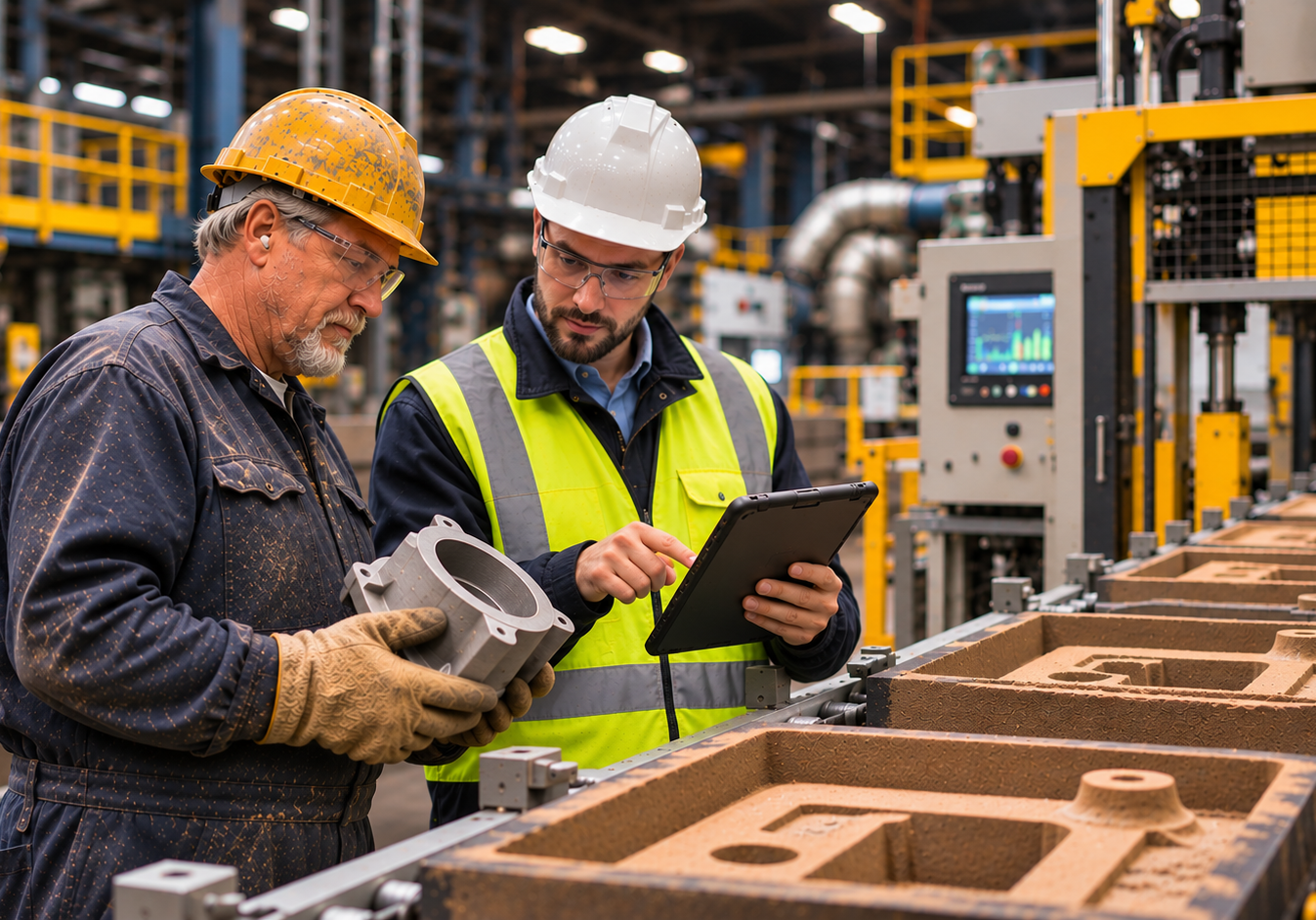
Why investments in technology must be matched by investments in technical and management talent.
Since 1989, I’ve worked with companies throughout the metals and manufacturing industries, including foundries that produce everything from relatively straightforward castings to highly engineered components.
Over those years, I’ve seen significant changes in equipment, production methods, customer requirements, and the expectations placed on manufacturing operations.
Today, foundries continue to evaluate automation, advanced process controls, and equipment upgrades to improve productivity, quality, and operating efficiency.
But there’s an important question that doesn’t always receive the same attention as the equipment investment:
Does the company have the people and expertise needed to make that technology successful?
New Equipment Changes the Skills a Foundry Needs
Modernization isn’t simply a matter of replacing an older machine with a newer one.
Consider a foundry investing in automated molding equipment or more sophisticated process monitoring systems. The investment may offer opportunities to improve consistency, reduce manual handling, and better control production.
But the equipment also changes what employees need to know.
Maintenance teams may require greater familiarity with controls, sensors, and automated systems. Engineers may need to interpret more production data. Supervisors must understand how new equipment affects workflow, quality, and staffing.
Even experienced employees may need additional training to work effectively with the technology.
A foundry can make a substantial capital investment and still struggle to achieve the expected results if the workforce isn’t prepared to support it.
Traditional Foundry Knowledge Still Matters
New technology doesn’t eliminate the importance of understanding the casting process.
Melting practices, mold quality, metal chemistry, solidification, and process consistency all influence the quality of the finished product.
Automation can help control certain variables, but experienced foundry professionals are still needed to recognize problems, understand their causes, and determine how to correct them.
I’ve always believed that companies benefit when they recognize the value of both practical manufacturing experience and new technical capabilities.
An engineer who understands automation but has limited foundry experience may face a learning curve. Likewise, someone with extensive casting experience may need additional exposure to modern controls and production systems.
The objective isn’t necessarily to replace one type of expertise with another.
It’s to bring those capabilities together.
Modernization Requires Planning Beyond the Equipment
Imagine a foundry preparing to install an automated molding line.
The company has evaluated production capacity, equipment costs, and the anticipated improvements in efficiency. Installation is scheduled, and management expects the investment to improve performance.
But several important questions remain.
Who will maintain and troubleshoot the new systems? Does the engineering team have the necessary technical knowledge? Are supervisors prepared to manage changes in production flow? Will the existing workforce need additional training?
These questions should be addressed before the equipment is installed, not after production problems begin.
In my experience recruiting for industrial manufacturers, the most effective hiring discussions begin with understanding what the business is trying to accomplish.
When a company is modernizing, that means looking beyond existing job descriptions and considering how responsibilities may change.
Hiring for the Operation You’re Building
Foundries have traditionally relied on specialized technical expertise, and that isn’t changing.
What may be changing is the combination of skills needed in certain positions.
A Maintenance Manager might need a stronger understanding of automation and controls. A Process Engineer may be expected to work more closely with production data and quality systems. A Plant Manager may need experience introducing new equipment while maintaining production commitments.
These requirements will vary considerably depending on the foundry’s processes, products, and level of automation.
For companies recruiting technical and management talent, it’s important to distinguish between skills that are essential on the first day and those that can be developed through training.
An overly restrictive hiring profile can eliminate experienced foundry professionals who have the foundation to adapt. At the same time, hiring someone solely because of their technology background may overlook the importance of understanding the manufacturing process.
Finding the right balance requires a clear picture of both the current operation and where the company intends to go.
Looking Ahead
Foundry modernization presents opportunities to improve efficiency, consistency, and competitiveness. But technology alone doesn’t determine whether an investment succeeds.
The people responsible for operating, maintaining, and improving that equipment play an equally important role.
For foundries planning their next major investment, workforce capabilities deserve a place in the discussion alongside equipment specifications, production targets, and financial projections.
The question isn’t simply what new technology a foundry should invest in. It’s whether the organization is prepared to make the most of that investment.
Check out our latest video

Exploring our target industries
At Davalyn, our tenured team of niche-focused talent acquisition experts takes on the hiring challenges of a diverse and growing set of industries. Make our perspectives your most powerful recruitment and retention resource.