Recent News
The Industry Behind the Industries

How changes in steelmaking and high-temperature manufacturing are elevating the strategic importance of refractory performance.
Over nearly four decades of working with manufacturers throughout the metals, foundry, and refractory industries, I’ve learned that some of the most essential parts of manufacturing are also the least visible.
When people talk about the future of manufacturing, the conversation usually centers around automation, artificial intelligence, advanced materials, sustainability, or the latest production technologies. Rarely does anyone mention refractories.
Yet behind the production of steel, aluminum, glass, cement, and countless other industrial products are refractory systems that make high-temperature manufacturing possible. They may never become part of the finished product, but they play a vital role in allowing those products to be manufactured safely, efficiently, and consistently.
Refractories have always been fundamental to industrial manufacturing. What’s changing today is not their importance—it’s how manufacturers are evaluating the value they bring to their operations.
The Essential Industry Few People See
For many outside heavy industry, refractories are largely unknown. Inside manufacturing, however, they’re indispensable.
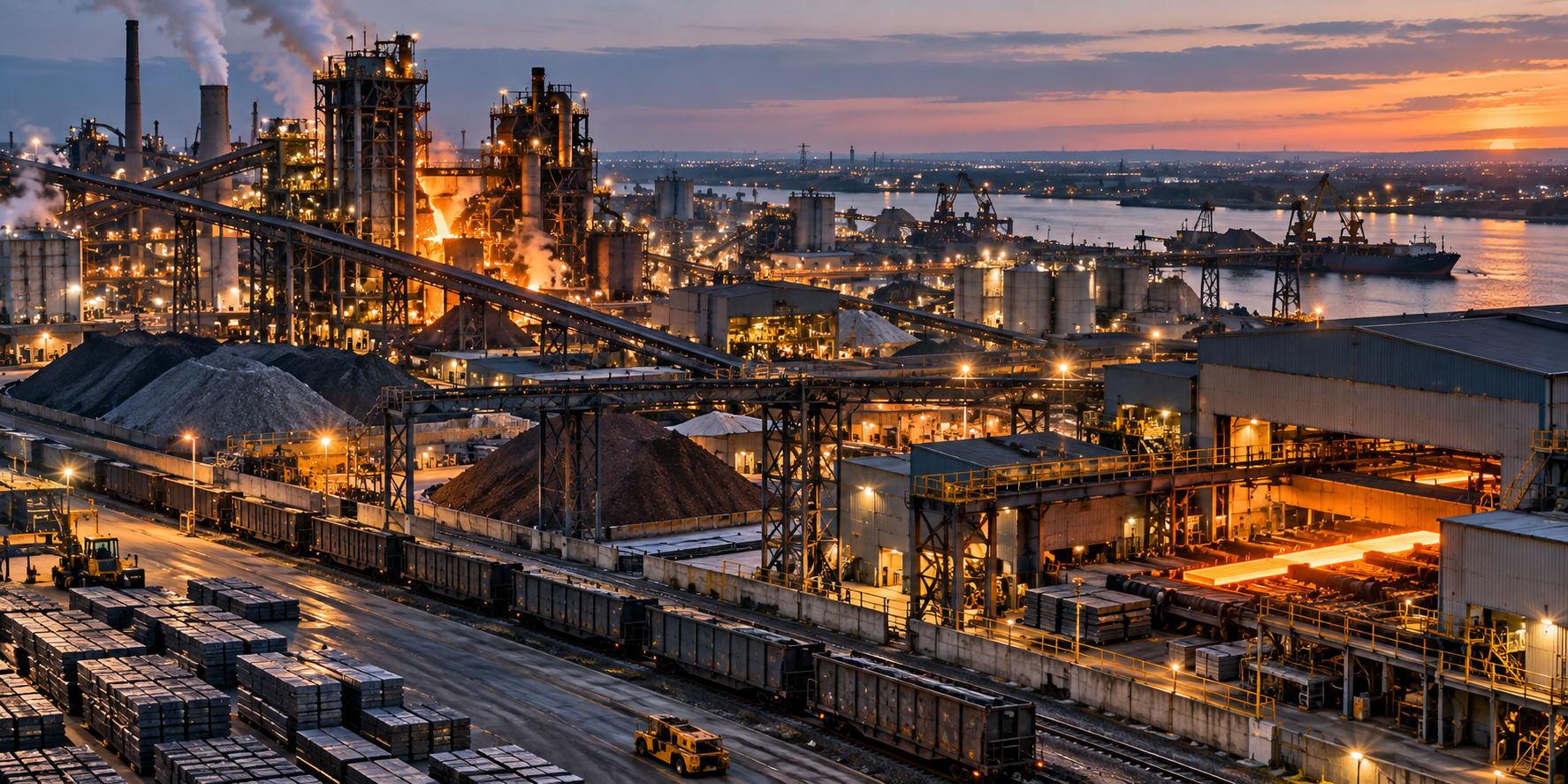
From blast furnaces and electric arc furnaces to ladles, kilns, incinerators, reactors, and glass furnaces, refractory materials protect critical assets operating under extreme temperatures, chemical attack, abrasion, and mechanical stress.
Without properly designed and maintained refractory systems, high-temperature manufacturing simply cannot operate reliably.
Because they work behind the scenes, refractories rarely receive much attention unless there’s a problem. Yet their performance directly influences production reliability, equipment longevity, product quality, maintenance schedules, and overall operating efficiency.
One thing I’ve noticed throughout my career is that while refractories have always been essential, conversations around them have changed dramatically.
Steel Is Changing—And Its Refractory Requirements Are Changing With It
The steel industry is undergoing one of its most significant periods of transformation in decades.
Manufacturers continue investing in electric arc furnace operations, facility modernization, digital process monitoring, automation, energy efficiency, emissions reduction, and improved process control. Production demands are increasing while expectations for reliability, consistency, and operational performance continue to rise.
These changes don’t simply affect steelmaking equipment—they also change what’s expected from the refractory systems protecting that equipment.
Today’s mills are focused on extending furnace campaigns, reducing unplanned outages, improving thermal efficiency, and maximizing asset utilization. Those objectives place greater emphasis on refractory performance than ever before.
The same trend extends well beyond steel.
Aluminum producers, foundries, cement manufacturers, glass producers, lime processors, and numerous other high-temperature industries are all pursuing similar operational goals: longer production runs, greater efficiency, lower maintenance costs, and improved sustainability.
As manufacturing evolves, refractory technology must continue evolving alongside it.
From Necessary Consumable to Strategic Performance Decision
Perhaps the biggest shift I’ve observed is how manufacturers evaluate refractory systems.
Years ago, refractories were often viewed primarily as necessary consumables—products that would eventually wear and be replaced during scheduled maintenance outages.
Today, many manufacturers are taking a much broader view.
Rather than evaluating only the material itself, they’re increasingly evaluating the performance of the entire refractory system and the technical expertise supporting it.
Questions now extend well beyond product selection.
How will the refractory design affect furnace performance?
Can it extend campaign life?
Will it improve thermal efficiency?
Can installation methods reduce downtime?
How does maintenance planning impact long-term operating costs?
These conversations recognize an important reality: refractory performance affects far more than the lining inside a furnace.
It influences production throughput, product quality, maintenance planning, energy consumption, asset utilization, delivery performance, and ultimately, overall profitability.
Increasingly, manufacturers aren’t simply purchasing refractory products—they’re investing in engineered solutions that support long-term operational performance.
Innovation Beyond the Material Itself
Despite its long history, the refractory industry continues to innovate in ways many outside the sector never see.
Advancements in engineered materials remain important, but innovation today extends well beyond the refractory itself.
Application engineering, installation techniques, condition monitoring, predictive maintenance, digital inspection technologies, and data-driven performance analysis are becoming increasingly valuable parts of the overall solution.
The goal is no longer simply to withstand extreme temperatures.
It’s to help customers maximize reliability, improve operating efficiency, extend maintenance intervals, and optimize the performance of some of the most demanding manufacturing environments in the world.
That’s a significant evolution from where the industry stood just a few decades ago.
Sustainability, Recovery, and Longer Service Life
Sustainability has also become an increasingly important part of the conversation.
Manufacturers across virtually every industrial sector are looking for ways to reduce energy consumption, improve process efficiency, minimize waste, and lower emissions.
Refractory performance contributes directly to many of those objectives.
Longer service life means fewer shutdowns and less material replacement. Improved thermal efficiency helps reduce energy consumption. Better engineered refractory systems can support more consistent operations while lowering maintenance requirements.
The industry is also exploring opportunities to recover and recycle certain refractory materials where practical, while continuing to develop products and manufacturing processes that support customers’ broader environmental objectives.
Like many areas of manufacturing, sustainability is no longer viewed as a separate initiative—it’s becoming part of everyday operational decision-making.
The Industry Behind the Industries
Some of manufacturing’s most important industries operate quietly in the background.
They rarely receive headlines. Most people never see their products. Yet their impact reaches nearly every corner of industrial manufacturing.
The refractory industry is one of those industries.
As steelmaking and other high-temperature manufacturing processes continue to evolve, refractory companies are being asked to deliver far more than durable materials. They’re expected to provide technical expertise, engineered solutions, application knowledge, and operational support that help manufacturers improve reliability, efficiency, and long-term performance.
That’s why I believe the refractory industry deserves greater attention.
It isn’t simply supplying materials to modern manufacturing.
It’s helping make modern manufacturing possible.
Check out our latest video

Exploring our target industries
At Davalyn, our tenured team of niche-focused talent acquisition experts takes on the hiring challenges of a diverse and growing set of industries. Make our perspectives your most powerful recruitment and retention resource.