Recent News
The Shift From Lean to Resilient Manufacturing
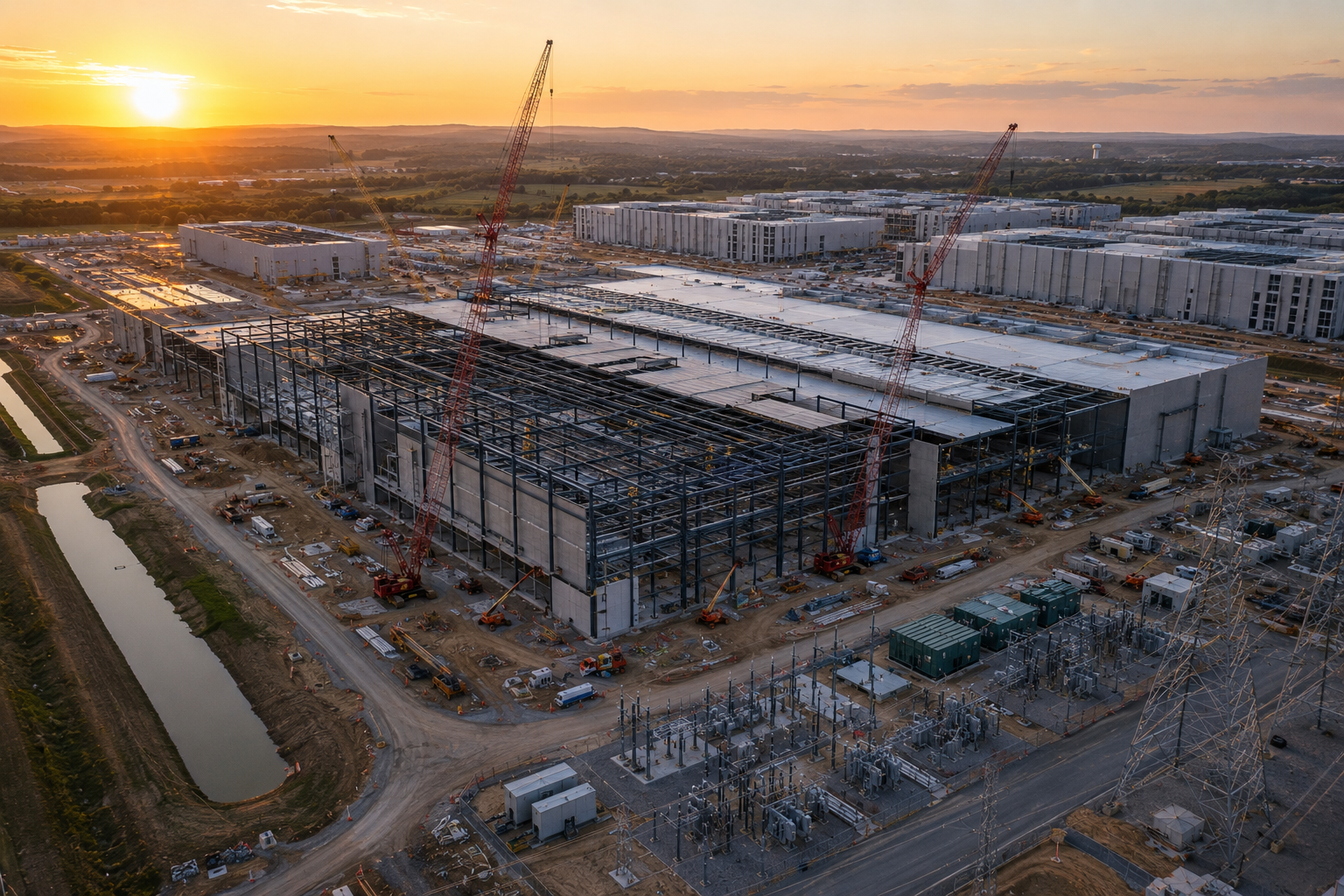
Why manufacturers are redesigning operations, leadership structures, and supply chains for a far more uncertain world.
For decades, many manufacturers operated with a similar philosophy:
Keep inventories lean.
Reduce costs aggressively.
Source globally.
Maximize efficiency wherever possible.
For a long time, that model worked.
But the environment manufacturers are operating in today looks very different than it did even five years ago.
Tariffs, supply chain volatility, rising material costs, labor shortages, geopolitical instability, and ongoing economic uncertainty are forcing companies across metalworking, machining, fabrication, and industrial manufacturing to rethink how they operate.
What we are witnessing is a broader shift away from “lean and low-cost” manufacturing toward something very different:
resilient and flexible manufacturing.
And in many ways, that shift is redefining competitive advantage across the industry.
Manufacturers Are Rethinking the Entire Operating Model
Across conversations with manufacturers, OEMs, distributors, and fabricators, one thing is becoming very clear:
Companies are redesigning their businesses to better absorb disruption.
That includes:
- Regionalizing and diversifying supply chains
- Nearshoring operations closer to North America
- Re-evaluating inventory strategies
- Accelerating automation investments
- Building more operational visibility into costs and production
In the past, efficiency was often the primary objective.
Today, resilience has become just as important.
Many organizations are now willing to sacrifice some short-term margin in exchange for greater supply stability, operational flexibility, and reduced exposure to disruption.
Visibility and Data Are Becoming Strategic Tools
Another major shift we’re seeing is the growing importance of ERP, MRP, and operational analytics systems.
For many manufacturers, these systems were once viewed primarily as administrative or operational tools.
Now they are becoming central to strategic decision-making.
Companies want real-time visibility into:
- Procurement costs
- Margin exposure
- Inventory risk
- Production efficiency
- Supply chain vulnerabilities
In a volatile environment, the ability to quickly interpret and act on data has become a meaningful competitive advantage.
Operational agility is no longer optional.
Automation Is Accelerating Faster Than Planned
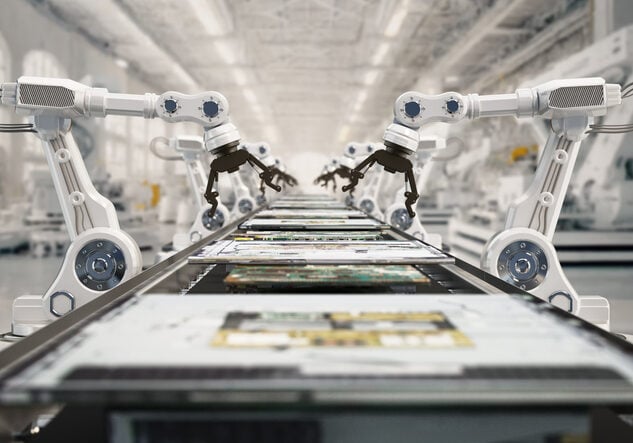
Labor shortages continue to push manufacturers toward automation at a faster pace than many originally anticipated.
In some cases, companies are investing in robotics and advanced manufacturing technologies out of necessity rather than preference.
But successful automation isn’t simply about purchasing equipment.
It requires experienced operational leadership, technical talent, process discipline, and long-term planning.
The companies achieving the best results are approaching automation strategically — integrating technology in ways that improve both productivity and operational resiliency.
Talent Has Become the Differentiator
Technology and systems matter, but leadership and talent are still determining which companies navigate this environment successfully.
The demand for experienced professionals across manufacturing remains extremely strong, particularly in areas such as:
- Supply chain leadership
- Strategic sourcing and procurement
- Manufacturing automation
- CNC and advanced machining operations
- ERP implementation and optimization
- Plant operations leadership
- Lean manufacturing and continuous improvement
- Industrial engineering
- Industrial sales leadership
At the same time, the available talent pool remains very tight.
What we’re seeing now is that companies are no longer hiring only for immediate operational needs. They are building leadership teams capable of managing volatility, improving visibility, adapting quickly, and leading through uncertainty.
That’s a very different hiring mindset than we saw even a few years ago.
What This Means Going Forward
The manufacturing sector has always been resilient.
This industry has adapted through economic cycles, global disruptions, technological shifts, and changing trade environments for generations.
What feels different today is the pace of change — and the level of operational flexibility companies now require in order to compete.
The manufacturers positioning themselves best for the future are not simply reacting to disruption as it happens.
They are proactively building organizations designed to operate effectively in uncertain conditions.
That requires:
- stronger operational leadership,
- better visibility into the business,
- smarter supply chain strategies,
- thoughtful automation investments,
- and long-term talent planning.
At Davalyn, these are the conversations we’re having with clients every day across the manufacturing and industrial markets.
And despite the challenges, we remain optimistic about the future of North American manufacturing and the companies willing to evolve alongside it.
Check out our latest video

Exploring our target industries
At Davalyn, our tenured team of niche-focused talent acquisition experts takes on the hiring challenges of a diverse and growing set of industries. Make our perspectives your most powerful recruitment and retention resource.