
Recent News
Investing Today for Tomorrow’s Efficiency: How Steel & Aluminum Producers Are Building the Future
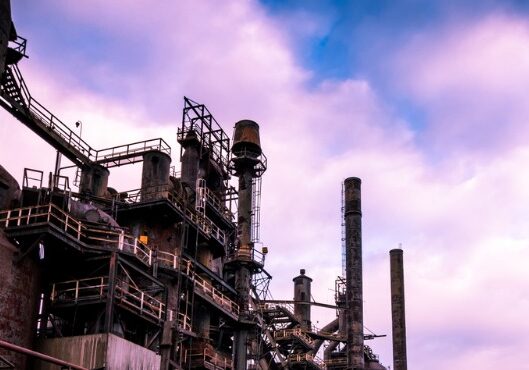
Steel and aluminum producers are at a crossroads. Labor costs are rising, markets remain cyclical, and global competition is only getting tougher. Every hiring authority I speak with is feeling the same pressure: how do we keep operations efficient and competitive without overburdening our workforce?
The answer I keep coming back to is this — the companies that will thrive tomorrow are the ones making the right capital investments today. Process automation, advanced equipment, and strategic partnerships with OEMs and dealers are no longer optional; they’re essential.
Process Automation: From Optional to Advantage
We all know automation isn’t new. But what’s different now is the pace at which it’s being adopted — and the degree to which it defines competitiveness.
Smart sensors, robotics, and predictive maintenance aren’t just buzzwords. They’re reshaping plant floors. Automated handling reduces downtime, machine learning predicts equipment failures before they happen, and advanced monitoring systems tighten quality control.
The result? Fewer bottlenecks, lower error rates, and safer working conditions. Companies that are still “waiting to see” on automation are falling behind those already reaping the efficiency gains.
Investing in Process Equipment: The ROI is Real
One of the toughest decisions for plant leaders is when to upgrade equipment. Mills, furnaces, and casting lines are expensive. But I’ve seen it time and again — the firms willing to modernize are the ones operating leaner and more profitably five years down the road.
Old equipment isn’t just less efficient — it’s a liability. Breakdowns spike maintenance costs, slow production, and frustrate customers. By contrast, new lines designed for digital integration often pay for themselves quickly through reduced downtime and higher throughput.
If we only measure equipment investments by this quarter’s balance sheet, we miss the bigger picture.
Partnering with Dealers and OEMs: Beyond Transactions
There’s also a mindset shift happening in how companies work with equipment suppliers. The most forward-looking leaders aren’t just buying a piece of machinery; they’re investing in a solution.
The right dealers and OEMs are acting more like strategic partners — delivering not only equipment, but also training, integration support, and ongoing upgrades. This approach minimizes personnel costs and ensures that new technologies are being fully leveraged, not sitting underutilized on the shop floor.
I tell clients all the time: don’t just look for a vendor. Look for a partner who understands your industry, your processes, and your long-term efficiency goals.
Building for the Future: Capital Investments as Strategy
We are in a moment where many producers are cautious, waiting to see how markets play out. But I believe this is exactly when the most important decisions need to be made.
Investing during quieter cycles positions your operation for the inevitable upturn. When demand comes back — and it always does — the companies that modernized their equipment, automated their processes, and secured strong OEM partnerships will be ready to capture market share.
That’s not just operational foresight; it’s a long-term competitive strategy.
What Leaders Should Consider
Steel and aluminum are industries defined by cycles — but leadership shouldn’t be. Those who wait for perfect market clarity will always be reacting. Those who make smart, forward-looking investments now will be the ones setting the pace tomorrow.
So the real question is: are you managing for today’s costs, or building the foundation for tomorrow’s competitiveness?
Check out our latest video

Exploring our target industries
At Davalyn, our tenured team of niche-focused talent acquisition experts takes on the hiring challenges of a diverse and growing set of industries. Make our perspectives your most powerful recruitment and retention resource.

